


Clean Energy Metals – Dealing with the Supply Squeeze December 7, 2022 – Posted in: Blog, Technology Minerals (TM1) – Tags: alex st, cobalt, copper, lithium, nickel, robin brundle, technology minerals, tm1
Clean Energy Metals – Dealing with the Supply Squeeze
The failure of national governments to reach a major agreement at the COP27 Summit this year underlined the difficulty and urgency in reaching net zero. The lack of progress from the governmental side means that it falls to the private sector to provide meaningful solutions. Resource efficiency, energy, and mobility transition are crucial strategies to mitigate climate change. The focus is on reducing the consumption of resources, especially energy and raw materials.
While raw materials are the basis of our material world, their excessive consumption over recent decades has also contributed significantly to climate change. However, raw materials, and, in this case, especially metals, play a key enabling role for climate protection technologies, such as electro mobility, the hydrogen economy, and solar and wind power plants, and also for digitalisation. It is now vital to make the use of raw materials much more resource-efficient and to use them as purposefully as possible.
There is overwhelming evidence to show that advanced circular economy systems and sophisticated recycling technologies can build the backbone for the development of a resource efficient and sustainable society. Closed metal cycles are a key part of this equation, securing relevant parts of the raw material supply for high-tech products and reducing CO2 emissions in their production at the same time.
Many mineral-producing countries that supply critical minerals are politically unstable, making them risky to invest in and to rely on as a source. This underscores the importance of developing sources of domestic supply, which offers greater political stability, greater safety for workers, and can provide a pipeline of young talent. These provide a foundation for the sector to build innovative solutions in response to the demands of the green transition.
To deliver on the green revolution and minimise emissions that contribute to climate change, industries will need access to significant quantities of critical minerals.
Technology Minerals Chairman Robin Brundle comments; “The automotive sector is doing its part to pivot to all-electric, but it needs an effective and competitive ecosystem that will be largely self-sustaining, with job creation, skillset expansion and support for COP27 goals, both domestically and abroad, coming to the fore. This way, our automotive industry will continue to advance our extraordinary UK R&D and engineering skillsets so that they are fit for purpose well into the next sustainable decade. Recycling is forecast to only be able to provide 22% of the supply that’s needed to power the transition. 78% will need to be extracted or brought in from elsewhere and each continent is facing this challenge – with many places creating barriers to export.”
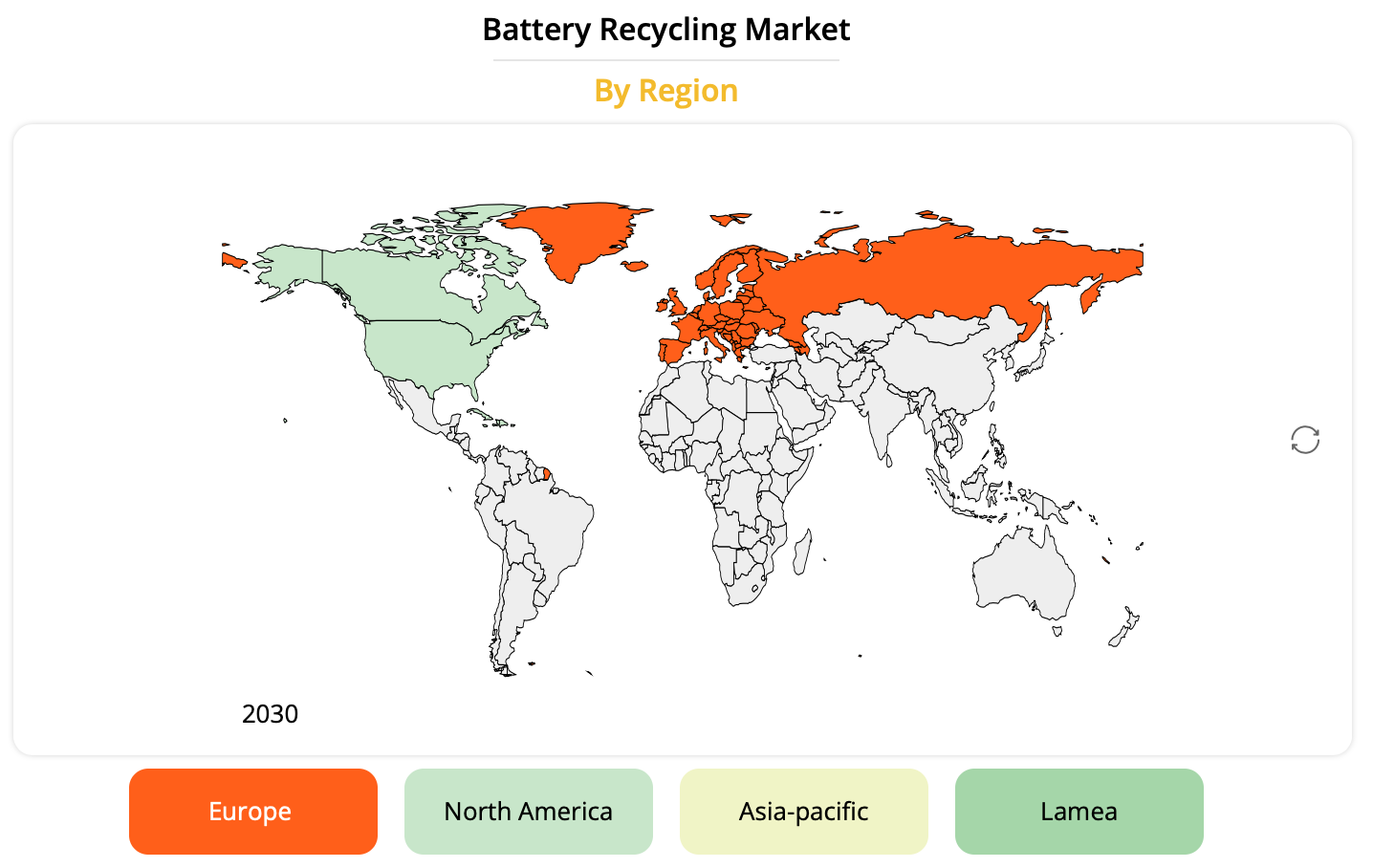
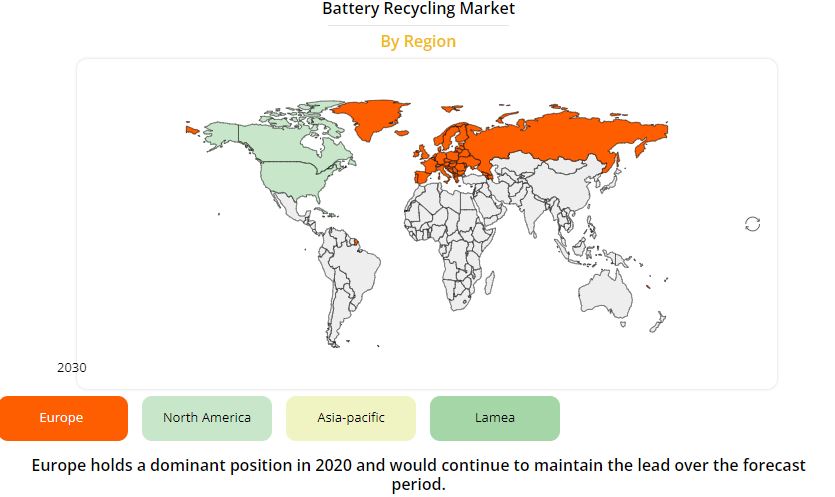
The battery recycling market is growing at an accelerated rate, driven by automotive and industrial sectors transitioning to more environmentally friendly and sustainable electric solutions. The UK needs industrial-scale battery recycling technologies. There is currently no major UK capability to recycle lithium-ion batteries. Technology Minerals’ plants in Tipton and Wolverhampton aim to provide a national capability to recycle lead-acid and lithium-ion batteries. As a first-mover in the battery recycling sector, the company expects to open 10 plants over the next six years, with its innovative IP in the lithium-ion sector a driving factor in the expansion strategy.
Technology Minerals has developed a unique frontend process that can safely break open Li-ion batteries which are not suitable for repurposing, to recover the battery mineral rich ‘black mass’ they contain as well as other battery components. This is the only process currently capable of handling all five li-ion battery compositions simultaneously on an industrial scale. The solution is also modular and can be easily built on-site at OEMs, minimising transportation costs. Technology Minerals has also developed a significantly improved process to recover the lead from end-of-life lead-acid batteries as well as recovering the acid for re-use as electrolyte or for the manufacture of fertiliser or gypsum, subject to the preferred economics.
Read full article here: https://www.branduk.net/24154-2/